

Picture yourself ambling through the lively streets of an ancient Greek city, surrounded by stunning architectural marvels that tower above you. These majestic structures were more than just places for religious worship; they stood as vibrant centers of daily life.
Temples connected communities, serving as venues for civic functions and joyous celebrations, weaving a sense of belonging among citizens.
These sacred sites also hosted educational and cultural activities, featuring festivals that celebrated their rich heritage.
Interestingly, these locations had a notable economic impact as well, attracting pilgrims and tourists who contributed to local trade. Spirituality and daily life blended seamlessly through rituals and offerings, making these temples integral to the practice of religious worship, as sacred sites and architectural marvels that foster community and devotion.
Religious Worship In Ancient Greece
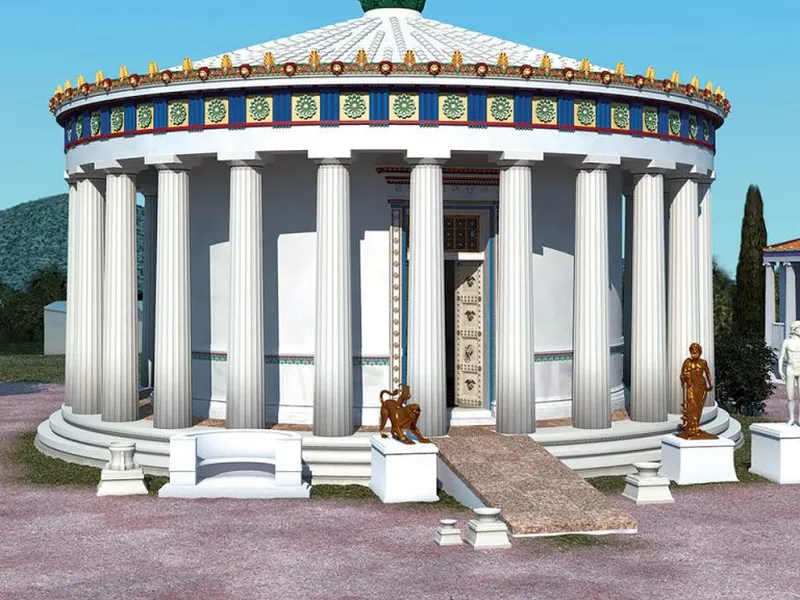
Life in ancient Greece was intricately tied to the veneration of their gods. Daily ceremonies, often held at home altars, allowed individuals to connect with their deities in personal ways, while larger cultural ceremonies united communities in celebration.
These festivals not only honored the mythology of their gods but also nurtured civic pride, reinforcing the bonds among the people.
Central to these practices were the deities revered by the Greeks, like Zeus and Athena, who were celebrated with magnificent temples.
Structures such as the Parthenon were not just architectural marvels but also powerful symbols of devotion, embodying both functional and spiritual significance. The design of these sacred spaces reflected the deep-seated beliefs surrounding altars dedicated to various deities, intertwined with mythology and integral to cultural ceremonies that fostered a sense of civic pride.
Exploring Sacred Sites And Their Importance
Imagine wandering through a space that resonates with centuries of devotion and belief. Sacred places carry profound meanings for various cultures worldwide, drawing us into their stories.
These devotional spaces have often served as essential venues for community gatherings and ceremonies.
Take, for example, the ancient Greeks, who built marble structures dedicated to their gods, intertwining their daily lives with the divine.
The rituals performed here connected the earthly with a higher purpose, making each sanctuary a vital part of their culture. As we journey through these remarkable locations, it’s intriguing to see how they not only reflect the values and beliefs of their time but also continue to shape identities today. With the next stop, let’s delve into the architectural marvels that have stood the test of time and discover how these temples showcase human creativity through their exquisite marble structures, serve as devotional spaces and sanctuaries, and reflect their historical significance in community gatherings.
Devotional Spaces
- Devotional spaces have been central to community gatherings and cultural ceremonies throughout history.
- Ancient Greeks constructed marble structures to honor their gods, integrating spirituality into daily life.
- These sanctuaries not only served religious purposes but also reflected the values and beliefs of their respective cultures.
- Architectural marvels of these temples showcase human creativity and continue to influence modern identities.
Architectural Marvels: Temples Through Time

Imagine stepping into a world where each structure whispers secrets from centuries past. Temples serve as time capsules, capturing the spirit of their eras through stunning aesthetics.
These remarkable buildings transcended mere worship spaces; they embodied the culture and values of their time.
Many featured grand designs that inspired awe and reverence, often doubling as civic buildings where vibrant festivals were celebrated.
Their intricate patterns not only showcased unmatched artistic skill but also conveyed deeper meanings and societal ideals. As we delve into notable examples, you’ll discover how each temple tells a unique story about its civilization and the advancements they achieved in construction.
This exploration naturally leads us to consider what rituals took place inside these sacred sites, enriching our understanding of their significance.
What Rituals Took Place Inside Temples
Step inside those majestic temple walls, and you’ll find a vibrant tapestry of rituals connecting the faithful with the divine. Daily offerings and prayers create an atmosphere that resonates with devotion, performed by both priests and worshippers who come together in these sacred spaces.
These spiritual practices are far more than mere routines; they serve as the heartbeat of the community, fostering bonds that transcend the ordinary.
Religious festivals add another layer to temple life, with joyous celebrations often drawing crowds that can span thousands.
Did you know some of the most significant events showcase the representations of gods, attracting visitors from near and far? Each of these occasions brings a wealth of cultural significance, enriching the experience for everyone involved. As visitors continue to explore, the connection deepens, leading naturally into the vibrant tapestry of religious festivals, geomantic sites, representations of gods, shrines, and spiritual practices that define the essence of this sacred landscape.
Temple Life
- Daily rituals and offerings foster a sense of community and connection among worshippers.
- Religious festivals can attract crowds of thousands, highlighting the significance of these events.
- Representations of gods during festivals draw visitors from various regions, enhancing cultural exchange.
- Spiritual practices serve as the foundation of the temple’s atmosphere, enriching the experience for all participants.
Understanding Offerings And Votive Practices
Throughout history, rituals have intertwined deeply with various spiritual practices, reflecting the unique beliefs of each culture. Worshippers express their appreciation and seek connection with the divine through a rich tapestry of traditions.
From vibrant food offerings to delicate flowers and intriguing historical artifacts, each item carries its weight and significance.
These practices create a bridge, drawing individuals closer to their faith and fostering community ties.
In pilgrimage locations, the act of leaving devotionals serves as a testament to hope and gratitude. Did you know that specific materials used in these gestures can convey distinct spiritual meanings? Exploring these customs allows us to appreciate the threads that weave through public space and communal experiences, setting the stage for what lies ahead
Altars: The Heart Of Devotion
These sacred spaces create a bridge between our everyday lives and the mysteries of the universe. They serve as focal points for worshippers, offering a place for personal reflection and communal gatherings.
Across cultures, such sites play a significant role in shaping civic identity and embody the cherished beliefs and values of a community.
Each altar, whether adorned with fragrant flowers, flickering candles, or sacred icons, tells a unique story, rich with history and purpose.
From ancient civilizations to modern practices, these spaces evolve with the changing temple functions and spiritual traditions. They strengthen the priesthood’s role, facilitating rituals that nurture our divine connection.
This intricate relationship reinforces the significance of civic identity within the community, as temple functions serve not only the worshippers seeking a divine connection but also uphold the authority of the priesthood in guiding spiritual practices.
How Did Temples Represent Deities
Picture a bustling community where magnificent structures stand tall, drawing people together and reflecting their collective beliefs. These landmarks were meticulously designed to highlight the qualities of the divine beings honored within them.
For example, sturdy pillars symbolized strength, while elaborate carvings narrated tales from the Pantheon, emphasizing moral teachings that guided daily life.
Inside these temple complexes, statues of deities played a pivotal role in passage rituals, inviting worshipers to forge a spiritual connection.
Far more than mere buildings, these spaces embodied faith and served as a unifying force, weaving belief into the very fabric of the community.
These elements intertwine to form a rich tapestry of cultural heritage that celebrates moral teachings and reveres the temple complexes, while also highlighting the significance of passage rituals and landmarks that contribute to the grandeur of the Pantheon.
The Role Of Temples In Cultural Ceremonies
When you think about the significance of sacred spaces, it’s easy to see them as mere structures, but they often pulse with community spirit. These vibrant hubs play a vital role in cultural practices, serving as gathering points during ceremonies that bring everyone together.
Festivals, for example, transform these spaces into lively celebrations, mirroring the rhythms of life, including agricultural cycles.
The architectural design is often breathtaking, featuring intricate stone carvings that narrate stories of faith and tradition.
Rituals carried out within these walls, such as divine offerings, don’t just honor the sacred; they weave a tapestry of shared experiences, strengthening bonds among community members. Just as we explored earlier, these spaces visually represent deities, anchoring beliefs in tangible forms. As we shift our focus now to the intricate details of Hellenistic culture, including stone carvings, religious texts, divine offerings, and architectural design, we gain a deeper understanding of its lasting impact on the world.
Sacred Spaces
- Sacred spaces serve as vital community hubs, facilitating cultural practices and gatherings during ceremonies.
- Architectural designs in sacred spaces often include intricate stone carvings that tell stories of faith and tradition.
- Rituals performed in these spaces, such as divine offerings, strengthen community bonds and create shared experiences.
- These spaces visually represent deities, providing tangible forms that anchor beliefs within the community.
Conclusion
Reflecting on the past, it’s fascinating to see how ancient temples have woven themselves into the fabric of community identity. These remarkable structures weren’t just meant for worship; they became vibrant hubs for public devotion and social gatherings.
When people gathered at these sites, they nurtured a powerful sense of belonging that resonated through the ages.
The architectural brilliance of these temples continues to inspire contemporary designs—can you picture how those ancient styles influence modern architects today? They stand as a testament to our shared human experiences and the values that unite us across cultures.
Temples have undeniably left a lasting imprint on our world, both spiritually and culturally. As we move forward in our exploration, it’s important to recognize the enduring impact these sacred spaces have on our societal roles.
These elements work together to strengthen local governance, foster public devotion, enhance community identity, clarify societal roles, and encourage social gatherings.
Originally posted 2024-12-03 07:46:21.