

Thinking about visiting a Buddhist temple? It’s a wonderful experience, and your outfit plays a big role in making it special. Wearing respectful dress not only shows your appreciation for the traditions but also helps you connect with the sacred spaces you’re entering.
Opt for modest clothing—aim to cover your shoulders and knees, which really honors cultural norms.
Loud patterns or flashy items can disrupt the tranquil atmosphere, so keeping it simple is the way to go.
Blending in rather than standing out is definitely the goal. you wear temple attire or modest clothing that adheres to the cultural norms and respectful dress expected in such a sacred space.
Understanding Cultural Norms For Temple Attire
Visiting a temple can be a truly enriching experience, especially when you pay attention to how you dress. Choosing the right clothing shows a deep respect for the space and the customs associated with it.
Loosefitting clothes are often preferred, as they provide comfort during ceremonies and moments of meditation.
Each temple might have its own unique guidelines, so doing a bit of research prior to your visit can really make a difference.
Appropriate footwear is also important; many temples require visitors to remove their shoes to keep the area clean. Fabrics like cotton or linen are ideal, creating a serene atmosphere that enhances your experience.
It’s also a good idea to consider local customs to ensure your outfits are in harmony with their traditions.
Before you head out, layering is a practical approach that involves combining loose-fitting clothes, appropriate footwear, and meditation wear made from serene fabrics and natural materials.
Choosing Modest Clothing For Respectful Dress
Choosing the right outfit for a visit to a spiritual space can profoundly impact your experience. It’s all about showing respect for the traditions and beliefs of the community you’re entering.
While selecting your clothing, think about coverage and fit; you want to feel comfortable while also embodying respect.
Go for subdued tones that blend nicely with the serene atmosphere.
Layering is a great option—light layers can keep you cozy while allowing you to adapt to different temperatures easily. Incorporating prayer shawls can add a beautiful touch and demonstrate reverence as well.
It’s a good idea to steer clear of overly casual or revealing garments, as they might distract from the spiritual environment. Accessories should also be chosen thoughtfully to avoid drawing attention away from others during this sacred time.
| Clothing Considerations | Impact on Experience |
|---|---|
| Subdued tones | Enhances the serene atmosphere |
| Light layers | Provides comfort and adaptability |
| Prayer shawls | Demonstrates reverence |
| Avoiding casual or revealing garments | Prevents distraction from the spiritual environment |
What Are Appropriate Footwear Choices
When visiting a sacred site, choosing the right shoes can enhance your experience while showing appreciation for the environment. Why Footwear Matters: The footwear you select reflects your awareness of the temple’s customs, creating a respectful atmosphere for everyone around.
Opting for ecofriendly attire like comfortable sandals or slip-ons is a delightful choice, making it easy to remove them before entering.
This convenience is particularly important in locations that require shoe removal at the entrance.
Footwear Etiquette: Keeping your sandals clean is a thoughtful gesture that indicates your respect for the traditions upheld here. It’s little details like this that go a long way. Speaking of details, have you thought about pairing your shoes with bamboo fabric clothing or perhaps a long skirt for a stylish and ecofriendly look?.
Exploring Traditional Garments And Their Significance
Every piece of clothing we wear tells a story, shaping not just our identity but also our experiences in spiritual spaces. When it comes to temple visits, the attire can reflect both personal beliefs and cultural traditions.
For many, wearing linen shirts and cotton trousers speaks to a desire for comfort while connecting with the sacred atmosphere.
The choice of colors can also be significant; bright shades often mark joyful celebrations, while softer hues can evoke feelings of serenity and respect.
Head coverings may be necessary in some locales, serving as a gesture of modesty and reverence. The garments we select ultimately weave us into the fabric of our spiritual surroundings, enriching our worship moments.
When visiting a temple, it’s important to think about how your clothing choices align with the cultural expectations of modesty and respect, opting for garments like capri pants, linen shirts, cotton trousers, sandals, and head coverings as appropriate attire.
Attire in Spiritual Spaces
- Clothing can significantly influence personal identity and spiritual experiences.
- Comfortable fabrics like linen and cotton are preferred for temple visits to enhance the sacred atmosphere.
- Colors in clothing can convey emotions; bright colors for celebration and softer hues for serenity.
- Head coverings are often required in certain cultures as a sign of modesty and respect.
How To Wear Comfortable Shoes With Style

Finding shoes that strike the perfect balance between style and comfort can make any outing more enjoyable, especially when you’re planning to explore sacred temple sites. Opting for footwear that feels good on your feet is key to soaking in the beauty around you without the nagging discomfort of aching arches.
After many hours meandering through stunning temple grounds, I can tell you that practicality is where it’s at.
When you’re on the lookout for shoes, think about stylish options like chic sneakers or loafers that bring a bit of flair along with the necessary support.
These choices not only elevate your outfit but also provide the comfortable shoes needed for long days on your feet. Pairing these shoes with breathable fabrics can add an effortless touch to your overall look, creating a sense of casual elegance that harmonizes beautifully with the right accessories and wraps, all while adhering to jewelry etiquette.
Embracing Mindful Fashion With Natural Materials
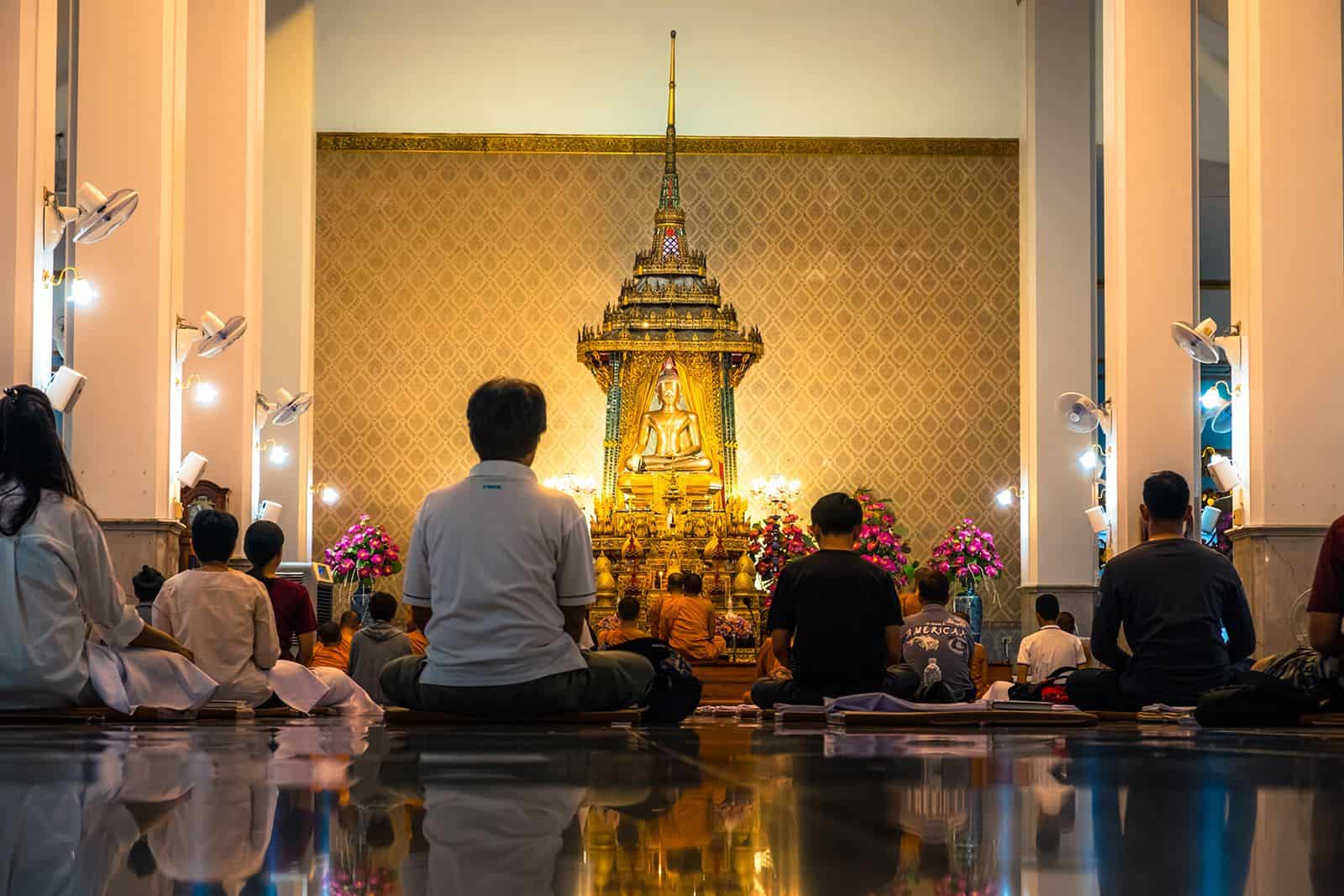
Dressing with intention is more than just a personal choice; it’s about celebrating styles that respect cultural traditions while ensuring comfort. When you step into a temple or spiritual site, your outfit can truly influence how you engage with the atmosphere around you.
With natural materials like cotton and linen, you get breathable fabrics that help you stay cool during those moments of reflection.
These eco-friendly options not only embody a clean lines aesthetic but also serve as a canvas for expressing your mindful fashion choices.
Opting for colors and cuts that exhibit cultural sensitivity can elevate your look while honoring the customs of the place you’re visiting.
As you plan your mindful fashion, consider incorporating clean lines and minimalistic style that reflect cultural sensitivity and embrace spiritual wear.
Mindful Fashion
- Natural materials like cotton and linen are breathable, promoting comfort in spiritual settings.
- Eco-friendly fabrics contribute to a clean lines aesthetic, enhancing the overall look.
- Choosing colors and cuts that reflect cultural sensitivity shows respect for local customs.
- A minimalistic style can elevate your outfit while embracing spiritual wear.
Tips For Layering Techniques In Various Seasons
Layering can be a game-changer when it comes to seasonal attire, helping you stay stylish and comfortable no matter the weather. Starting off with lightweight layers during warmer months is always a smart move.
Fabrics like cotton and linen not only keep you cool but also allow for breathability.
When temperatures dip, it’s time to embrace heavier fabrics like wool or fleece for that cozy warmth.
Color choice can really elevate your look too! Soft, pastel tones feel invigorating in spring, while autumn calls for those rich, earthy colors that celebrate nature’s beauty. Don’t forget about versatile pieces that can transition smoothly between seasons.
Layering techniques help you mix and match your wardrobe, ensuring you’re ready for any forecast. As you explore gender-neutral clothing, versatile pieces, monochromatic tones, seasonal attire, and layering techniques, you will discover new ways to express your personal style.
Jewelry Etiquette: What Is Acceptable At Temples
Choosing the right adornments for a temple visit can reflect your level of respect for this sacred space. Local customs often dictate what is appropriate, so it’s wise to be mindful of these traditions.
Some jewelry pieces carry significant cultural meanings, while others might detract from the overall worship experience.
Leaning toward understated items that embody humility in dress is a great approach.
Traditionally accepted materials like gold or silver are favored, particularly when they come in simple designs that don’t scream for attention. Avoid accessories that are overly flashy, such as large earrings or bright, clanging bangles, which can easily divert focus from the sacred atmosphere.
The aim here is to dress in a way that blends harmoniously with the setting, honoring the temple’s traditions in a respectful manner.
| Aspect of Adornments | Recommended Choices |
|---|---|
| Material | Gold or Silver |
| Design | Simple and Understated |
| Type of Accessories | Avoid Flashy Items |
| Focus | Respecting Sacred Atmosphere |
Conclusion
As you prepare for your visit to the temple, it’s a great opportunity to reflect on the essentials of showing community respect. Choosing nondisruptive colors for your clothing can significantly enhance the peaceful ambiance.
Your attire should harmonize with the serene environment, signaling your awareness and appreciation of the traditions.
And remember, it’s more than just what you wear; your demeanor plays a pivotal role too.
Approaching this experience with a positive mindset can uplift not only your own spirit but the spirits of everyone around you. Whether you find yourself wandering through ancient halls or taking part in rituals, practicing footwear etiquette is important.
Make sure to remove your shoes in designated areas, as this small act contributes to a respectful atmosphere and fosters a deeper connection with the environment around you. Embracing nondisruptive colors and respectful colors fosters a sense of community respect and encourages footwear etiquette, creating a meditative space for all.
Originally posted 2024-12-03 07:46:06.