
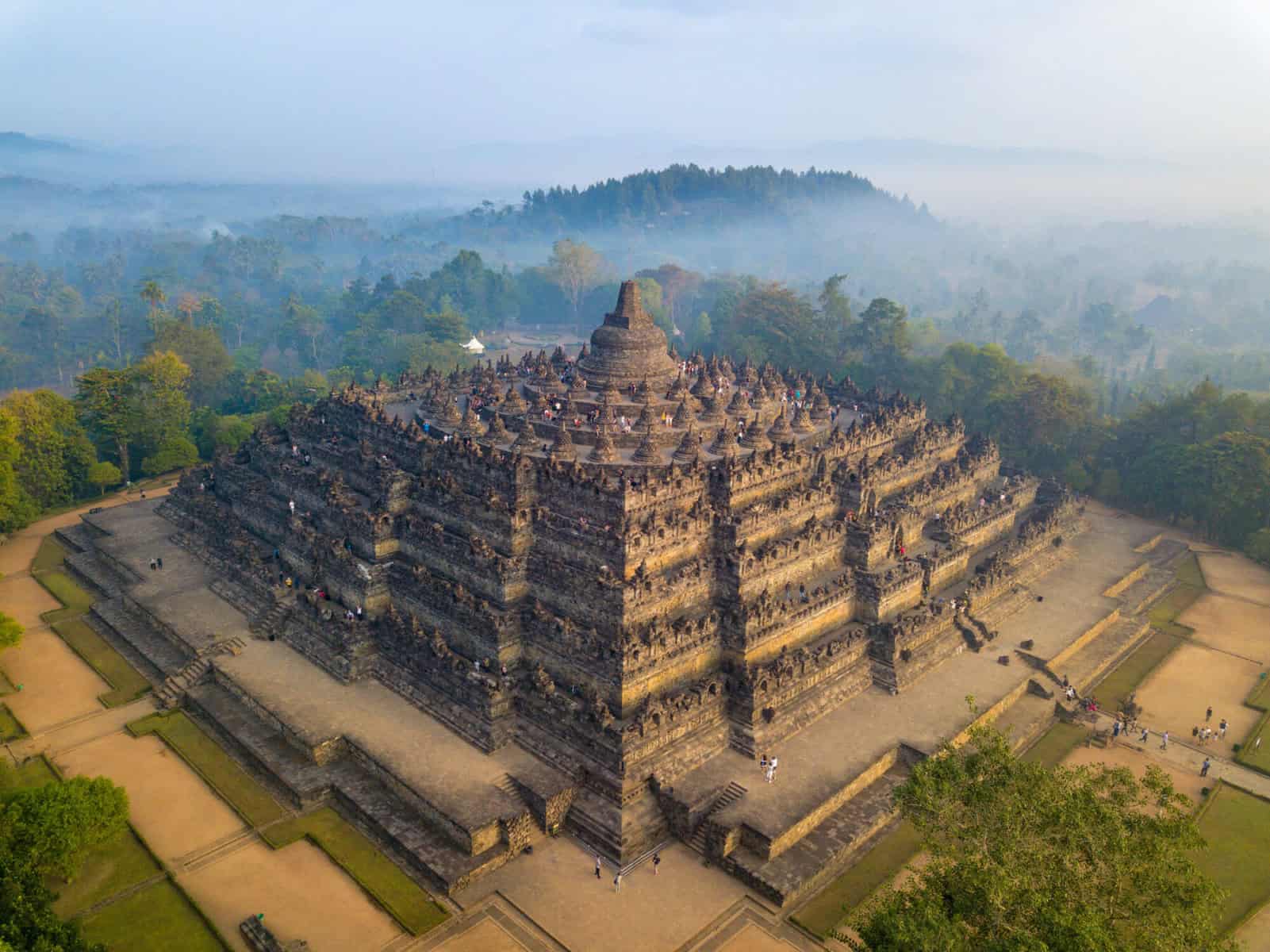
What are the best temples in Southeast Asia? Angkor Wat in Cambodia, Borobudur in Indonesia, and Wat Pho in Thailand are among the best temples of Southeast Asia, renowned for their architectural grandeur and cultural significance.
Discover the Spiritual Wonders of Southeast Asia: Top Temples You Can’t Miss
As a writer and avid traveler, I have always been fascinated by the rich cultural heritage and spiritual traditions of Southeast Asia. This region is home to some of the most awe-inspiring temples in the world, each with its own unique history and significance. These temples serve as not only places of worship but also as centers of community and cultural preservation.
In this article, I will take you on a journey through Southeast Asia’s spiritual wonders, exploring the importance of temples in the region’s culture and delving into the fascinating stories behind some of its most iconic structures.
The Importance of Temples in Southeast Asian Culture
Temples hold a special place in Southeast Asian culture, serving as important religious sites where people come to pay their respects to deities or seek spiritual guidance. Beyond their religious significance, these temples also play a crucial role in fostering community bonds. They are often gathering places for festivals and celebrations that bring people together from all walks of life.
One aspect that sets Southeast Asian temples apart is their architectural beauty and intricate design. The craftsmanship displayed in these structures is truly remarkable, with attention paid to every detail from ornate carvings to vibrant murals depicting scenes from mythology or historical events. The architecture itself often reflects a blend of different influences such as Hinduism, Buddhism, Islam, or indigenous beliefs.
Furthermore, these temples act as guardians of cultural heritage by preserving ancient traditions through rituals and ceremonies passed down through generations. They provide an opportunity for locals and visitors alike to learn about the history and customs that have shaped this diverse region.
Angkor Wat: The Crown Jewel of Southeast Asian Temples

No exploration into Southeast Asia’s spiritual wonders would be complete without mentioning Angkor Wat – undoubtedly one of the most iconic temple complexes in the world. Located in Cambodia’s Siem Reap province, Angkor Wat holds immense historical significance dating back to the 12th century.
The sheer size and grandeur of Angkor Wat are awe-inspiring. Its architectural features, such as the towering spires and intricate bas-reliefs, showcase the mastery of Khmer craftsmanship. As I stood before this magnificent structure, I couldn’t help but feel a sense of wonder at the dedication and skill required to create such a masterpiece.
For those planning a visit to Angkor Wat, it is essential to plan ahead. The temple complex is vast, so allocating enough time to explore thoroughly is crucial. Additionally, visiting during sunrise or sunset offers breathtaking views and an ethereal atmosphere that adds to the overall experience.
Borobudur: A Majestic Buddhist Temple in Indonesia
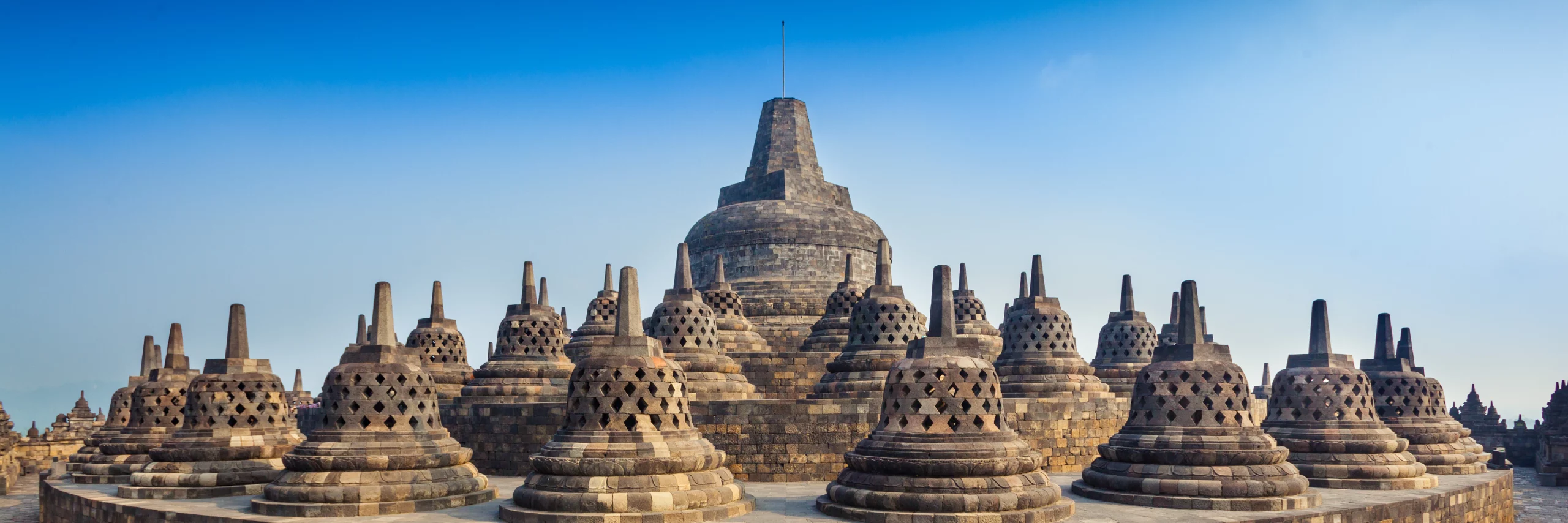
Moving on from Cambodia to Indonesia, we encounter another spiritual gem – Borobudur. Situated in Central Java, Borobudur is the world’s largest Buddhist temple and a UNESCO World Heritage site.
The history behind Borobudur dates back over 1,200 years when it was built during the Sailendra dynasty. This colossal structure consists of nine stacked platforms adorned with intricate relief panels depicting scenes from Buddhist teachings and Javanese life.
As I explored Borobudur’s various levels, each representing different stages of enlightenment in Buddhism, I couldn’t help but be captivated by its symbolism. The journey towards reaching Nirvana was beautifully depicted through these reliefs – a testament to both artistic excellence and spiritual devotion.
When visiting Borobudur, it’s advisable to arrive early in the morning before crowds gather. This allows for a more serene experience as you ascend each level while witnessing the sunrise over Mount Merapi in the distance – an unforgettable sight that adds an extra layer of magic to this already enchanting place.
Shwedagon Pagoda: The Golden Landmark of Myanmar

In Myanmar (formerly known as Burma), one cannot miss out on visiting Shwedagon Pagoda – an iconic symbol deeply ingrained in the country’s cultural fabric. Located in Yangon, this golden masterpiece stands tall and proud, captivating all who lay eyes upon it.
The history of Shwedagon Pagoda dates back over 2,500 years, making it one of the oldest Buddhist pagodas in the world. Legend has it that enshrined within its stupa are strands of hair from Gautama Buddha himself.
What struck me most about Shwedagon Pagoda was its unique architecture and design. The central stupa is covered in gold leaf, shimmering brilliantly under the sun’s rays. Surrounding it are smaller stupas adorned with precious gems and jewels donated by devotees over centuries.
Visiting Shwedagon Pagoda is a truly spiritual experience. As I walked barefoot around its perimeter, I could feel a sense of tranquility wash over me. The sound of monks chanting prayers filled the air while locals lit incense sticks and made offerings at various shrines – a testament to their unwavering faith.
To fully appreciate this sacred site, I recommend visiting during sunset when the pagoda is bathed in a warm golden glow – an ethereal sight that will leave you breathless.
Wat Rong Khun: The White Temple of Thailand

Thailand is renowned for its stunning temples, but one that stands out from the rest is Wat Rong Khun – also known as the White Temple. Located near Chiang Rai in northern Thailand, this contemporary masterpiece defies traditional temple design conventions.
The history behind Wat Rong Khun began with artist Chalermchai Kositpipat’s vision to create an unconventional temple that would serve as an offering to Lord Buddha and inspire people to follow moral principles. Construction on this ongoing project started in 1997 and continues to evolve today.
What makes Wat Rong Khun truly unique is its striking white exterior adorned with intricate mirror mosaics that glisten in the sunlight. As I approached the temple, it felt as if I was stepping into a surreal world – one where traditional Buddhist symbolism intertwines with contemporary art.
Inside the main hall, visitors are greeted by mesmerizing murals depicting scenes from popular culture, including references to movies and superheroes. This unconventional approach challenges traditional notions of temple design while still conveying profound spiritual messages.
When planning a visit to Wat Rong Khun, keep in mind that it is an active place of worship. Dress modestly and be respectful of the sacredness of the site. Additionally, arriving early in the morning allows for a more peaceful experience before crowds arrive.
Prambanan: A Hindu Temple Complex in Central Java

While Indonesia is predominantly Muslim, it also boasts some remarkable Hindu temples – one of which is Prambanan. Located near Yogyakarta on Java Island, Prambanan is an ancient temple complex dedicated to Lord Shiva and other Hindu deities.
The history behind Prambanan dates back to the 9th century when it was built during the reign of Rakai Pikatan as a symbol of his devotion to Shiva. The complex consists of several towering temples adorned with intricate carvings depicting scenes from Hindu mythology.
As I explored Prambanan’s vast grounds, I couldn’t help but marvel at its architectural beauty and attention to detail. The towering spires reaching towards the sky seemed almost otherworldly – a testament to human ingenuity and devotion.
One particular feature that stood out was how each temple within Prambanan represented different aspects of Hindu cosmology. From Brahma’s role as creator to Vishnu’s role as preserver and Shiva’s role as destroyer, these temples served not only as places of worship but also educational tools for understanding ancient beliefs.
When visiting Prambanan, be sure to allocate enough time for exploration as there are over 200 smaller shrines surrounding the main temples. Additionally, witnessing a traditional Ramayana ballet performance against the backdrop of Prambanan at night is an experience not to be missed.
Bagan: An Ancient City of Temples in Myanmar

In central Myanmar lies Bagan – an ancient city that once served as the capital of the Pagan Kingdom. Today, it is home to over 2,000 temples and pagodas spread across a vast plain, making it one of Southeast Asia’s most remarkable archaeological sites.
The history behind Bagan dates back to the 9th century when King Anawrahta unified various regions under his rule and initiated a massive temple-building project. Over several centuries, successive kings continued this tradition, resulting in the awe-inspiring collection we see today.
Exploring Bagan feels like stepping back in time. As I wandered through its sprawling plains on an e-bike, I marveled at how each temple had its own unique charm and character. Some were small and intimate while others stood tall and majestic – all contributing to the overall tapestry of this ancient city.
One particular highlight was climbing one of the larger temples during sunrise or sunset for panoramic views over Bagan’s landscape dotted with countless stupas as far as the eye could see. The sight was nothing short of breathtaking – a testament to human creativity and devotion spanning centuries.
When planning a visit to Bagan, keep in mind that some temples are still active places of worship. Dress modestly and be respectful when entering these sacred spaces. Additionally, hiring a knowledgeable guide can provide valuable insights into Bagan’s history and help navigate through its vast complex.
Wat Phra Kaew: The Most Sacred Temple in Thailand

Thailand is home to numerous magnificent temples but none more revered than Wat Phra Kaew – also known as The Temple of Emerald Buddha. Located within Bangkok’s Grand Palace complex, Wat Phra Kaew holds immense spiritual significance for Thai people.
The history behind Wat Phra Kaew dates back to the 18th century when King Rama I moved the Emerald Buddha, a highly revered statue, from its original location to this temple. Today, it serves as a symbol of Thailand’s monarchy and is considered the country’s most sacred Buddhist temple.
What struck me most about Wat Phra Kaew was its intricate architectural design and meticulous attention to detail. The temple complex is adorned with vibrant colors, gold leaf accents, and ornate carvings depicting scenes from Buddhist mythology.
As I walked through the various halls and pavilions within Wat Phra Kaew, I could feel a sense of reverence in the air. Locals and visitors alike paid their respects to the Emerald Buddha while monks chanted prayers – creating an atmosphere of tranquility amidst bustling Bangkok.
When visiting Wat Phra Kaew, it’s important to dress appropriately by covering your shoulders and knees as a sign of respect. Additionally, be prepared for crowds as this temple complex is one of Bangkok’s top tourist attractions.
Tanah Lot: A Balinese Temple on the Sea

In Bali, Indonesia lies Tanah Lot – a unique Hindu temple perched on a rocky outcrop overlooking the Indian Ocean. This iconic landmark not only holds religious significance but also offers breathtaking views that make it one of Bali’s most popular tourist destinations.
The history behind Tanah Lot dates back centuries when Hindu priest Nirartha discovered this sacred site during his travels across Bali. He deemed it an ideal place for worship due to its natural beauty and spiritual energy.
What sets Tanah Lot apart from other temples is its stunning location – surrounded by crashing waves at high tide while appearing almost floating during low tide. As I stood before this majestic structure during sunset with waves crashing against rocks below me, I couldn’t help but feel humbled by nature’s power and beauty.
Visiting Tanah Lot requires careful planning, especially during high tide when access to the temple may be limited. However, witnessing the sun setting behind Tanah Lot while its silhouette is bathed in golden light is an experience that will stay with you forever.
Conclusion: Exploring the Spiritual Wonders of Southeast Asia
Southeast Asia’s spiritual wonders are a testament to human creativity, devotion, and cultural heritage. From the grandeur of Angkor Wat in Cambodia to the tranquility of Shwedagon Pagoda in Myanmar, each temple holds its own unique story and significance.
Exploring these temples not only offers a glimpse into Southeast Asia’s rich history but also provides an opportunity for personal reflection and spiritual growth. The intricate architecture, vibrant colors, and serene atmospheres create an environment conducive to introspection and connection with something greater than ourselves.
Expert tip: Use PlanTrips to plan up your next temple visit for free!
I encourage anyone planning a trip to Southeast Asia to include visits to these temples on their itinerary. Whether you are seeking spiritual enlightenment or simply marveling at human ingenuity, these sacred sites offer experiences that will leave a lasting impression on your soul. So pack your bags and embark on a journey through Southeast Asia’s spiritual wonders – you won’t be disappointed!
FAQs
What is Southeast Asia?
Southeast Asia is a subregion of Asia, consisting of the countries that are geographically south of China, east of India, west of New Guinea, and north of Australia.
What are the spiritual wonders of Southeast Asia?
The spiritual wonders of Southeast Asia are the numerous temples and religious sites that are scattered throughout the region. These temples are known for their unique architecture, intricate carvings, and religious significance.
What are some of the top temples in Southeast Asia?
Some of the top temples in Southeast Asia include Angkor Wat in Cambodia, Borobudur in Indonesia, Shwedagon Pagoda in Myanmar, Wat Phra Kaew in Thailand, and Tanah Lot in Bali.
What is the significance of these temples?
These temples are significant because they are considered to be sacred places of worship for the local people. They are also important cultural and historical landmarks that attract tourists from all over the world.
What should I wear when visiting these temples?
When visiting these temples, it is important to dress modestly and respectfully. This means covering your shoulders and knees, and avoiding revealing clothing.
What is the best time to visit these temples?
The best time to visit these temples is during the dry season, which typically runs from November to February. This is when the weather is cooler and there is less chance of rain. However, this is also the peak tourist season, so expect larger crowds and higher prices.
Originally posted 2024-02-26 03:58:11.